“Eating is so intimate…When you invite someone to sit at your table and you want to cook for them, you’re inviting a person into your life.”
Maya Angelou
So, what’s on my mind? Food. Yes, you read that right. But before you click off this blog in reaction to my superficiality, let me explain!
Nourishing Traditions
Food holds a special place in my family. Raised in a household reliant on food stamps, and frequently under the loving care of a Grandmother who grew up during the Great Depression, the importance of food was never lost on me. My kids love to hear stories about how she shared “cow brains” with me, emphasizing that all parts of the cow must be used. I was only 5 years old, and yet I can vividly recall how unappetizing that experience was. (When I ask my kids to eat their veggies, they love to remind me of this story, not realizing how different those circumstances were!)

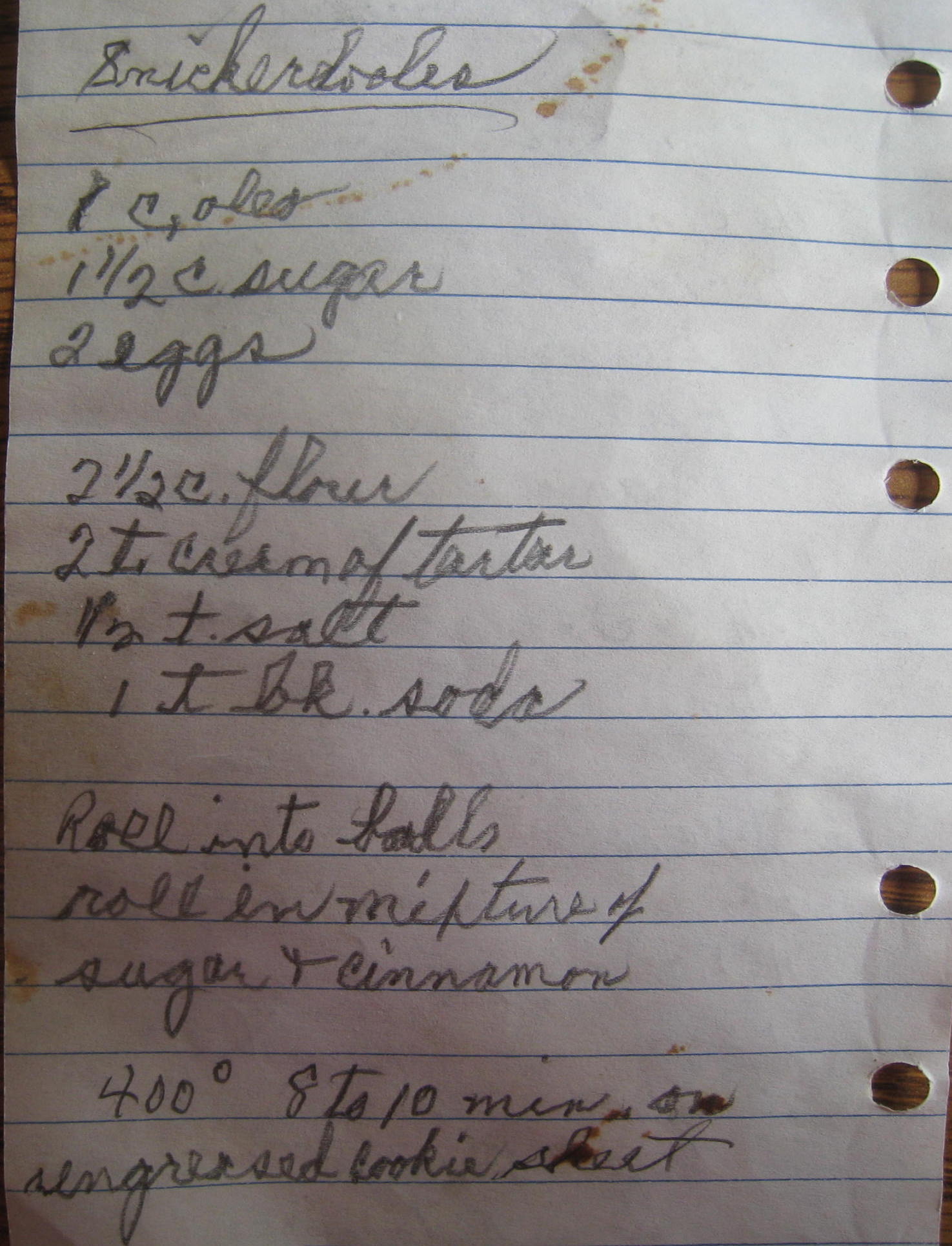
My Grandmother had a passion for feeding people. She worked as a cook in a home for young, expectant mothers who had nowhere else to go. I still treasure her handwritten recipes and notes from that period. To her, cooking was both an art and an expression of love. Whenever friends came over, they knew they’d leave with full stomachs and warm hearts. Those friends still remember her fondly today.
Fast forward to today. My feelings about food mirror my Grandma’s. When a friend is sick, I make them soup. Is a loved one feeling anxious? I’ll bake bread, assuring them that God never lets his people go hungry. I want to connect with another family? They’re invited over for dinner. I scour recipes, websites, and blogs, looking for food that will be loved, appreciated, and received as a gift.
Challenges in a New Culture
Here in La Paz, I’m in a culture where I can’t read food labels and even the altitude affects the effectiveness of my cooking. But I’m confident that these issues will sort themselves out.
I recently visited a family who had very little. While there, one of the older women offered me an orange drink. Logic told me to decline, as drinking it could expose me to health risks (as my system has not yet acclimated to my new surroundings). Yet, I couldn’t say no to her act of kindness. I took a sip, silently praying that it would be okay. At that moment, as our eyes met and she smiled, I felt a sense of connection that went beyond our differences, a connection cemented by her simple act of sharing.
“When they landed, they saw a fire of burning coals there with fish on it, and some bread… Jesus said to them, ‘Come and have breakfast.’”
Luke 21:9-13
I keep thinking about how food and drink are more than just a way to fill our stomachs. They’re a universal language that brings people together, crossing cultural and language barriers. By sharing something homemade, like my Grandma’s famous banana bread or snickerdoodles, I’m not just offering food; I’m opening up a space for us to connect. Through the simple act of sharing a meal, we establish a mutual bond that speaks volumes, even when words can’t.
Thank you, Grandma, for your love.


 Thin Air, High Hope
Leave a reply to Trey Hamilton Cancel reply